3DVRVIDEO NET - Nature and Travel Blog
Pula city to continue - part 1
Pula: A Mediterranean Jewel Where Roman Grandeur Meets Istrian Charm
Perched on the southern tip of Croatia's Istrian peninsula, Pula is a compact yet surprisingly rich tapestry of history, culture, and seaside leisure. Its most iconic landmark, the Pula Arena, is one of the best‑preserved Roman amphitheatres in the world—a massive stone ellipsis that once hosted gladiatorial combats and now stages opera, concerts and the famous “Out‑Rocker” music festival. Walking the arena's ancient stone steps instantly transports visitors back to the first centuryAD, while the echo of modern applause reminds them that the city knows how to blend past and present.
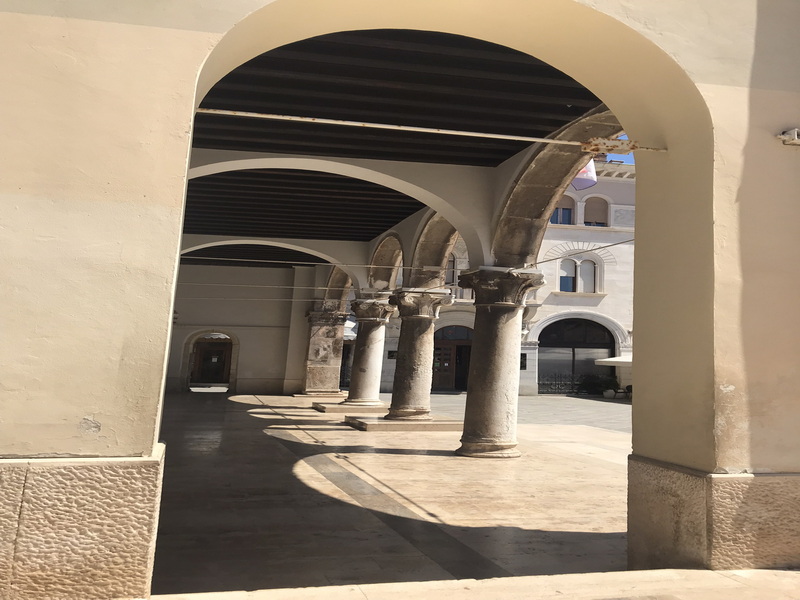
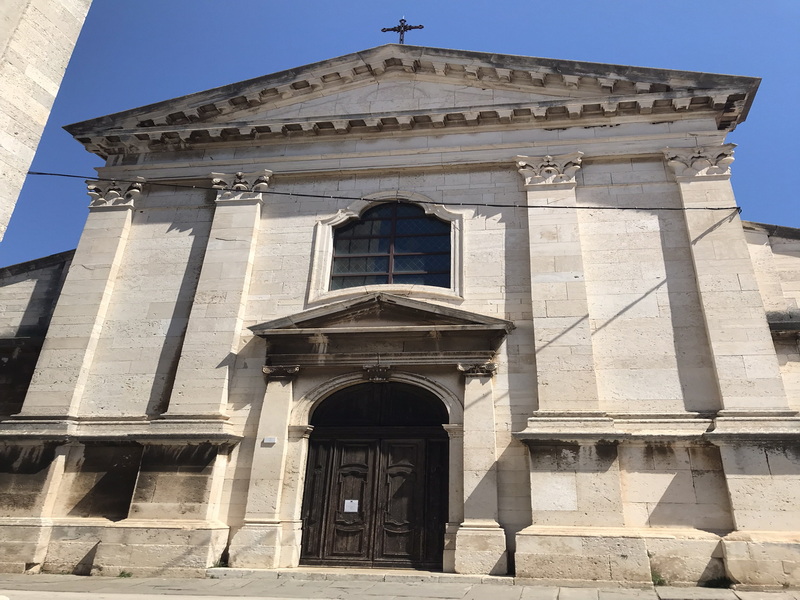
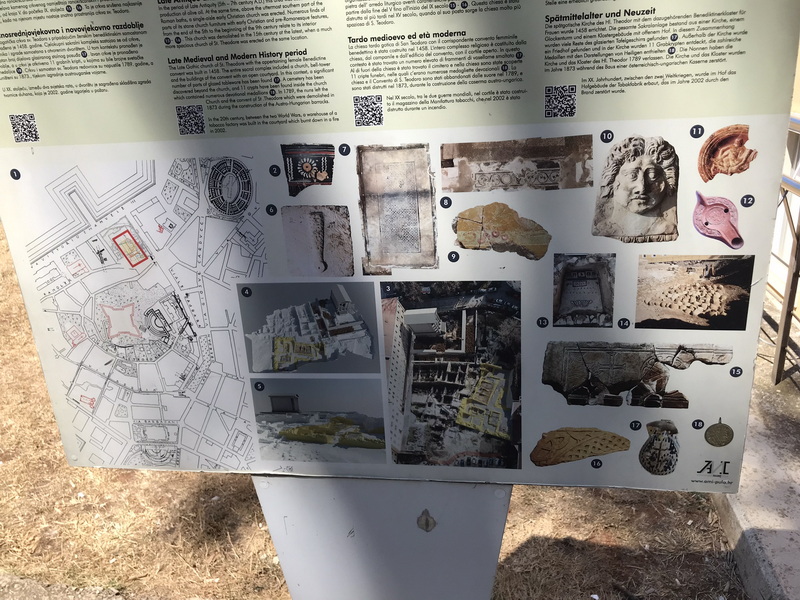
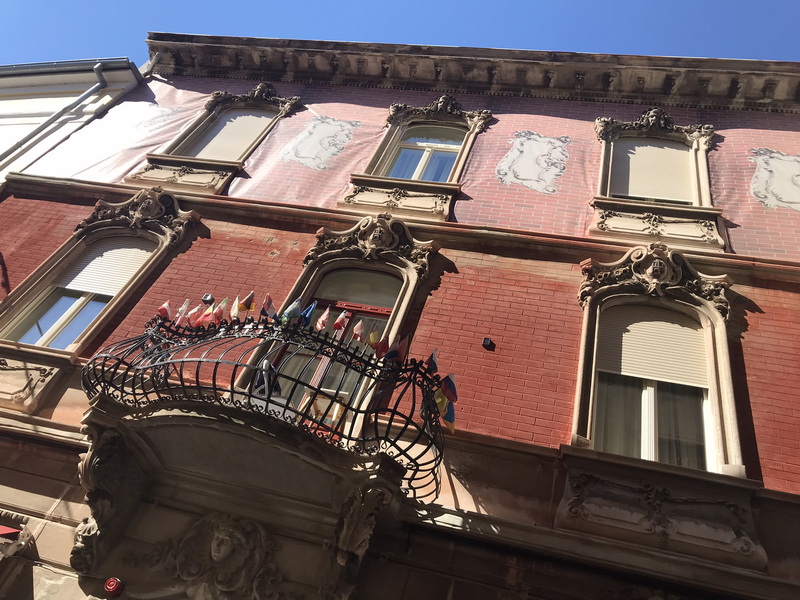
Beyond the amphitheatre, Pula's historic core is a maze of Venetian-style piazzas, pastel-hued houses, and Gothic-Renaissance churches such as the Basilica of the Euphrasian Martyrium, a UNESCO-listed masterpiece of early medieval art. The city's fortifications—like Kastel and the Gothic-byzantine Town Gate (Porta Pomeria)—still dominate the coastline, offering panoramic views of the Adriatic's turquoise waters and the surrounding olive groves that dot the rolling Istrian hills.
Pula's appeal is not limited to antiquities. Its eight sandy and pebble beaches, notably Verudela and Kamenjak, provide a relaxed counterpoint to the city's bustling squares, while the crystal-clear sea invites swimming, kayaking, and even sea-cave diving. Food lovers will find a culinary dialogue between Italian and Croatian influences: truffles from the inland forests, fresh Adriatic fish, and robust Istrian wines (Malvasia and Teran) are served in rustic taverns and sleek, seaside bistros alike.
Thanks to its well-connected transport hub—Pula Airport and the A9 “Istrian Y” highway—the city is easily reachable from major European centers, making it a favored gateway for both cultural tourists and sun-seekers. In the summer months, the streets pulse with outdoor markets, art exhibitions, and lively cafés, while winter brings a quieter, more reflective atmosphere where the ancient stones seem to whisper stories of empire and endurance.
In short, Pula is a microcosm of the Adriatic's layered identity: a place where the roar of a Roman crowd still reverberates through a modern, cosmopolitan city that embraces its past without being shackled by it. Whether you are drawn by the promise of historical grandeur, gastronomic delight, or simply the lure of a sun-kissed bay, Pula offers a uniquely balanced Mediterranean experience that lingers long after you leave its stone-cobbled streets.
Pula: Středomořský klenot, kde se římská velkolepost setkává s istrijským šarmem Pula, ležící na jižním cípu chorvatského Istrijského poloostrova, je kompaktní, ale překvapivě bohatou tapiserií historie, kultury a přímořského odpočinku. Její nejznámější památka, Pulská aréna, je jedním z nejlépe dochovaných římských amfiteátrů na světě – mohutná kamenná elipsa, která kdysi hostila gladiátorské zápasy a nyní je místem konání opery, koncertů a slavného hudebního festivalu „Out-Rocker“. Chůze po starobylých kamenných schodech arény okamžitě přenese návštěvníky zpět do prvního století našeho letopočtu, zatímco ozvěna moderního potlesku jim připomíná, že město umí propojit minulost a současnost. Za amfiteátrem je historické jádro Puly bludištěm náměstí v benátském stylu, pastelově zbarvených domů a goticko-renesančních kostelů, jako je bazilika Eufraziova martyria, mistrovské dílo raně středověkého umění zapsané na seznamu UNESCO. Městské opevnění – jako Kaštel a goticko-byzantská městská brána (Porta Pomeria) – stále dominují pobřeží a nabízejí panoramatické výhledy na tyrkysové vody Jaderského moře a okolní olivové háje, které rozprostírají zvlněné istrijské kopce. Pula se neomezuje jen na starožitnosti. Jejích osm písečných a oblázkových pláží, zejména Verudela a Kamenjak, poskytuje uvolněný kontrapunkt k rušným náměstím města, zatímco křišťálově čisté moře láká ke koupání, jízdě na kajaku a dokonce i k potápění v mořských jeskyních. Milovníci jídla zde naleznou kulinářský dialog mezi italskými a chorvatskými vlivy: lanýže z vnitrozemských lesů, čerstvé jaderské ryby a robustní istrijská vína (Malvasia a Teran) se podávají v rustikálních tavernách i elegantních přímořských bistrech. Díky dobrému dopravnímu spojení – letišti v Pule a dálnici A9 „Istrian Y“ – je město snadno dostupné z hlavních evropských center, což z něj činí oblíbenou vstupní bránu jak pro kulturní turisty, tak pro milovníky slunce. V letních měsících ulice pulzují venkovními trhy, uměleckými výstavami a živými kavárnami, zatímco zima přináší klidnější a zamyšlenější atmosféru, kde starobylé kameny jako by šeptaly příběhy o impériu a vytrvalosti. Stručně řečeno, Pula je mikrokosmem mnohovrstevnaté identity Jadranu: místem, kde řev římského davu stále rezonuje moderním, kosmopolitním městem, které přijímá svou minulost, aniž by jí bylo spoutáno. Ať už vás láká příslib historické velkoleposti, gastronomické potěšení nebo prostě vábení sluncem zalité zátoky, Pula nabízí jedinečně vyvážený středomořský zážitek, který přetrvává dlouho poté, co opustíte její dlážděné ulice.

When you subscribe to the blog, we will send you an e-mail when there are new updates on the site so you wouldn't miss them.