3DVRVIDEO NET - Nature and Travel Blog

Nature - Travel - Animals photos from Us.

Prehistoric exhibition in Binz

A Journey Through Time: The Prehistoric Wonders of Binz

Nestled along the pristine shores of the Baltic Sea, the seaside resort of Binz on the island of Rügen offers visitors a surprising leap back into deep time. While the town is famous for its elegant "Resort Architecture" and white sandy beaches, it has also become a premier destination for those fascinated by the prehistoric world. Specifically, the annual Sand Sculpture Festival in Binz has carved out a reputation for bringing the "Giants of the Primeval Age" to life in breathtaking detail.

Each year, international artists descend upon the island to transform thousands of tons of specialized sand into a sprawling, prehistoric landscape. Unlike the fleeting sandcastles of the beach, these monumental works reach heights of several meters, depicting a world ruled by legends. Visitors find themselves walking in the shadows of a towering Tyrannosaurus Rex, standing eye-to-eye with a motherly Triceratops, or observing the intricate fur of a Woolly Mammoth. The exhibition serves as an open-air museum where the tactile nature of sand breathes a strange, organic life into creatures that have been extinct for millions of years.

Beyond the artistry of the sand sculptures, the region surrounding Binz acts as a natural prehistoric exhibition in its own right. The nearby Jasmund National Park, with its iconic white chalk cliffs, is a geological treasure trove. After a storm, it is not uncommon for visitors to find "Thunderstones" (fossilized belemnites) or sea urchins embedded in the flint stones along the shore—tangible relics from the Cretaceous period.

Whether through the masterful craftsmanship of world-class sculptors or the ancient fossils hidden beneath the waves, Binz offers a unique intersection of summer relaxation and paleontology. It is a place where the history of our planet is not just read in a textbook, but experienced through the sheer scale of art and the raw beauty of the Baltic coast. For families and history enthusiasts alike, a trip to Binz is more than a holiday; it is a walk through the very foundations of time.

  13 Hits

Regensburg

Regensburg, a jewel on the banks of the Danube in eastern Bavaria, is a living museum of medieval Europe that effortlessly blends its storied past with a vibrant contemporary pulse. Founded by the Romans as Castra Regina in the 2nd century AD, the city’s strategic position at the confluence of the Danube and the Regen rivers turned it into a bustling trade hub throughout the Middle Ages. Its well‑preserved historic centre—designated a UNESCO World Heritage Site in 2006—boasts more than 1,500 listed buildings, from the soaring Gothic spires of St. Peter’s Cathedral to the elegant Romanesque arches of the Stone Bridge, a marvel of 12th‑century engineering that still carries traffic across the river today.

Beyond the stone facades, Regensburg thrives as a cultural crossroads. The University of Regensburg, founded in 1962, injects youthful energy into the city’s intellectual life, while the annual Regensburger Domschatz concert and the lively Bürgerfest celebrate its rich musical traditions. A burgeoning tech sector, anchored by firms in information technology and renewable energy, coexists with centuries‑old breweries that still pour dark, malty lagers into wooden steins.

Walking through the narrow alleys of the Altstadt, one encounters a seamless dialogue between past and present: artisan workshops sharing space with modern cafés, and historic courtyards that now host pop‑up art exhibitions. Whether viewed from the panoramic terrace of the Kulturbühne or from a riverside bench watching swans glide beneath the stone arches, Regensburg offers a compelling reminder that history need not be static—it can be a living backdrop to the everyday rhythms of a dynamic, forward‑looking community.

Řezno, klenot na břehu Dunaje ve východním Bavorsku, je živoucím muzeem středověké Evropy, které bez námahy propojuje svou bohatou minulost s pulzujícím současným pulsem. Město, založené Římany jako Castra Regina ve 2. století našeho letopočtu, se díky své strategické poloze na soutoku Dunaje a Řezna proměnilo v rušné obchodní centrum po celý středověk. Jeho dobře zachovalé historické centrum – které bylo v roce 2006 zapsáno na seznamu světového dědictví UNESCO – se pyšní více než 1 500 památkově chráněnými budovami, od tyčících se gotických věží katedrály svatého Petra až po elegantní románské oblouky Kamenného mostu, zázraku inženýrství 12. století, který dodnes zajišťuje dopravu přes řeku. Kromě kamenných fasád Řezno vzkvétá i jako kulturní křižovatka. Univerzita v Řezně, založená v roce 1962, vnáší do intelektuálního života města mladistvou energii, zatímco každoroční koncert Regensburger Domschatz a živý Bürgerfest oslavují jeho bohaté hudební tradice. Rozvíjející se technologický sektor, zakotvený firmami v oblasti informačních technologií a obnovitelných zdrojů energie, koexistuje se staletými pivovary, které stále nalévají tmavé sladové ležáky do dřevěných džbánů. Při procházce úzkými uličkami Starého města se člověk setkává s plynulým dialogem mezi minulostí a současností: řemeslné dílny sdílející prostor s moderními kavárnami a historické dvory, které nyní hostí pop-up umělecké výstavy. Ať už se na město díváte z panoramatické terasy Kulturbühne nebo z lavičky u řeky, kde sledujete labutě klouzající pod kamennými oblouky, Řezno nabízí přesvědčivou připomínku toho, že historie nemusí být statická – může být živou kulisou každodenních rytmů dynamické a progresivní komunity.


Continue reading
  100 Hits

Lauterbach (Rügen)

Nestled on the eastern coast of Rügen, Germany’s largest Baltic island, the small municipality of Lauterbach captivates visitors with its unspoiled beaches, historic charm, and proximity to some of the region’s most iconic natural landmarks. First mentioned in medieval records as a modest fishing settlement, Lauterbach grew slowly, preserving its traditional half-timbered houses and the tranquil rhythm of a seaside village. The name, derived from the German words lauter (pure) and Bach (brook), aptly describes the clear streams that once powered local mills and still meander through the surrounding pine‑clad dunes.

Today, Lauterbach is best known for its expansive, low‑lying sandy beach that stretches for several kilometres, offering gentle waves ideal for families, windsurfers, and long‑distance walkers alike. The beach is part of the larger Jasmund National Park coastal belt, where the dramatic chalk cliffs of the famous Königsstuhl rise dramatically a short bike ride inland, providing a breathtaking contrast between soft sands and rugged limestone cliffs. In the summer months, the village’s promenade buzzes with open‑air cafés, a weekly market selling fresh Baltic fish, and cultural events that celebrate the island’s Slavic roots and maritime heritage.

Beyond leisure, Lauterbach serves as a convenient gateway to Rügen’s historic towns—Sassnitz with its shipyard and the amber museum, and the picturesque village of Göhren with its classic pier. Well‑connected by regional bus lines and a short drive from the Rügen Airport, Lauterbach remains a perfect base for exploring the island’s diverse landscapes, from the serene lagoons of the Greifswald Bay to the dense beech forests of the Inland. Whether one seeks a quiet sunrise over the sea, a bike ride along the Küstenstraße, or a glimpse into the enduring traditions of the Baltic coast, Lauterbach offers an authentic slice of Rügen’s timeless allure.

  111 Hits

The picturesque town of Sitges in Spain

Nestled on the sun‑kissed curve of the Catalan coastline, the town of Sitges is a postcard‑perfect blend of Mediterranean charm and bohemian flair. Just a 35‑minute train ride from Barcelona, its compact historic centre unfurls around a maze of pastel‑colored houses, narrow cobblestone lanes, and the elegant 18th‑century Church of Sant Bartomeu i Santa Tecla, whose twin bell towers frame the glittering sea. By day, golden sands stretch from the lively Platja de la Fragata to the more secluded Cala del Molí, where locals and visitors alike can lounge beneath swaying pine trees or dive into the clear, turquoise water. As the sun dips, the promenade comes alive with the scent of paella and the clink of glasses, while lively tapas bars and avant‑garde restaurants showcase a culinary scene as diverse as the town’s cultural calendar.

Sitges is perhaps best known for its vibrant festivals: the dazzling Carnaval, a riot of feathers and confetti, and the world‑renowned International Film Festival, where red‑carpet glamour meets cutting‑edge cinema. Yet it is the quieter, year‑round pulse of art that truly defines the town—galleries line the Carrer del Pecat, the Modernist Museu Maricel houses works from Picasso to Miró, and the annual Sitges International Jazz Festival fills the night air with syncopated rhythm. With its thriving LGBTQ+ community, welcoming cafés, and a legacy of artists, writers and musicians who found inspiration on its breezy terraces, Sitges feels like a perpetual summer—an enchanting enclave where history, culture, and the sea converge in a timeless, picturesque tableau.


  122 Hits

Devil's Heads in the Kokořín Region

Nestled just a short drive north of Prague, the Kokořínsko Protected Landscape Area is a hidden gem of the Czech Republic where wild, crag‑crusted forests meet dramatic sandstone cliffs and quiet, meandering streams. The region earned its name from the medieval Kokořín Castle, a stone‑crowned sentinel perched on a rocky outcrop that has watched over the land since the 14th century. Today, the same rugged terrain draws hikers, climbers, and photographers, all eager to explore its labyrinth of narrow gorges, mushroom‑shaped rock formations (the so‑called “Devil’s Heads”), and moss‑draped beech woods that seem to belong to a fairy‑tale realm. Along the well‑marked trails, one can stumble upon the ruins of the 13th‑century Železný Brod Castle, the romantic neo‑Gothic manor of Kramář, and the tranquil, crystal‑clear pools of the Cítovské and Štiřínské ponds—ideal spots for a reflective pause. Beyond its natural beauty, Kokořínsko is a living museum of Czech cultural heritage: traditional wooden chapels, centuries‑old lime‑kilns, and secluded villages where folk customs still echo through seasonal festivals. Whether you are scaling the iconic “Kladivové” rock tower, wandering the shaded paths of the Bílý Kostelec forest, or simply savoring a coffee at a rustic inn overlooking the valley, Kokořínsko offers a compact yet profoundly immersive encounter with the wild heart of Bohemia.

Chráněná krajinná oblast Kokořínsko, ležící jen kousek jízdy severně od Prahy, je skrytým klenotem České republiky, kde se divoké lesy pokryté skalnatou křupavou kůrou setkávají s dramatickými pískovcovými útesy a tichými, klikatými potoky. Region získal své jméno podle středověkého hradu Kokořín, kamenné korunované strážní věže tyčící se na skalním výběžku, která bdí nad krajinou od 14. století. Dnes tento drsný terén láká turisty, horolezce a fotografy, kteří všichni dychtí prozkoumat jeho labyrint úzkých roklí, skalních útvarů ve tvaru hub (tzv. „Ďábelské hlavy“) a mechem porostlých bukových lesů, které jako by patřily do pohádkové říše. Podél dobře značených stezek můžete narazit na zříceniny hradu Železný Brod ze 13. století, romantické novogotické panství Kramář a klidné, křišťálově čisté tůně Cítovských a Štiřínských rybníků – ideální místa k zamyšlení. Kromě své přírodní krásy je Kokořínsko živoucím muzeem českého kulturního dědictví: tradiční dřevěné kaple, staleté vápenky a odlehlé vesnice, kde se lidové zvyky stále ozývá v rámci sezónních slavností. Ať už šplháte na ikonickou skalní věž Kladivové, procházíte se po stinných stezkách lesa Bílý Kostelec, nebo si jen vychutnáváte kávu v rustikálním hostinci s výhledem na údolí, Kokořínsko nabízí kompaktní, ale zároveň hluboce pohlcující setkání s divokým srdcem Čech.

  146 Hits

Botanical Garden in Teplice

Botanical Garden in Teplice – A Green Oasis in the Heart of the Czech Spa Town

Nestled on the gentle slopes that overlook the historic spa town of Teplice, the Botanical Garden (Botanická zahrada) is a compact yet remarkably diverse sanctuary that blends the therapeutic legacy of the region with the quiet charm of horticultural art. Founded in 1904 as an experimental plot for the newly‑established “Institute of Medicinal Plants” attached to the famed Teplice balneological complex, the garden originally served physicians and pharmacists who sought a living catalogue of curative herbs for the town’s famed mineral waters. Over the past century the site has evolved from a utilitarian research plot into a public park that welcomes locals, tourists, and botany enthusiasts alike.

Spanning roughly 3 hectares, the garden is organized into six thematic sections that mirror the natural habitats of Central Europe. A serene “Alpine Terrace” showcases dwarf conifers, edelweiss and rhododendrons that burst into colour during the short, sun‑lit summer. Adjacent to it, the “Medicinal Meadow” offers a fragrant promenade of chamomile, linden, valerian and the region’s signature “teplická heřmánek” (German chamomile), each plant labelled in Czech, German and Latin for easy identification. A modest greenhouse—originally a 19th‑century conservatory—houses tropical orchids, bromeliads and carnivorous plants, while the “Water Garden” mirrors the town’s own mineral springs with a series of cascading pools lined with irises, water lilies and the rare Nymphaea alba.

Beyond its botanical collection, the garden functions as an open‑air classroom. Seasonal workshops on herbal tea brewing, aromatic oil extraction, and sustainable gardening draw school groups and senior citizens, reinforcing Teplice’s reputation as a centre for wellness and learning. In spring, the garden’s lilacs and rhododendrons release a perfume that drifts across the town’s historic promenade, and in autumn the canopy of oak, beech and maple ignites in a riot of gold, crimson and amber—an ever‑changing backdrop for quiet contemplation or a leisurely stroll.

Whether you arrive seeking the therapeutic benefits of a herb‑steeped infusion, a quiet spot to reflect after a day at the spa, or simply a splash of colour amid the Czech countryside, the Botanical Garden in Teplice offers a harmonious blend of science, history, and natural beauty—a living testament to the town’s enduring relationship with the healing power of plants.

Continue reading
  130 Hits

Bavarian city of Munich

When Czech speakers speak of “Mnichov,” they are referring to Munich, the capital of Bavaria and one of Germany’s most vibrant metropolises. Founded in the 12th century by Benedictine monks – a fact that still echoes in its name (German München means “by the monks”) – Mnichov grew from a modest market town into a cultural and economic powerhouse. Its historic centre, anchored by the grand Marienplatz and the iconic Neues Rathaus with its famous Glockenspiel, showcases a seamless mix of Gothic, Baroque and contemporary architecture. The city’s artistic pulse beats strongest in the Kunstareal, home to the world‑renowned Alte Pinakothek, Neue Pinakothek, and Pinakothek der Moderne, where masterpieces from the Renaissance to avant‑garde coexist.

Beyond museums, Mnichov is synonymous with the Oktoberfest, the world’s largest beer festival that draws millions each autumn to its sprawling beer tents, traditional Bavarian music, and hearty fare. Yet the city is also a hub of cutting‑edge technology and research; the Munich High‑Tech Cluster hosts giants such as BMW, Siemens and the European headquarters of countless biotech firms, making Mnichov one of Europe’s leading innovation centers. Its extensive public‑transport network, green spaces like the English Garden – where surfers ride the Eisbach wave – and a thriving culinary scene (from classic Weißwurst to Michelin‑starred modern cuisine) offer residents and visitors alike a high quality of life.

In short, Mnichov is a city where centuries‑old traditions are celebrated alongside futuristic ambitions, making it a compelling destination for anyone interested in history, culture, sport, or the next wave of European entrepreneurship.

  114 Hits

Tierpark Schwerin

Nestled just a stone’s throw from the shimmering shores of Lake Schwerin and the fairy‑tale silhouette of Schwerin Castle, the Tierpark Schwerin (Schwerin Zoo) is a compact yet surprisingly diverse wildlife sanctuary that charms both locals and tourists alike. Founded in 1954 as a modest municipal animal garden, the park has steadily expanded its mission from simple recreation to a forward‑looking focus on education, conservation, and biodiversity. Today, over 1,200 animals representing more than 150 species roam across its 13‑hectare grounds, ranging from charismatic megafauna such as red pandas, Siberian tigers, and African penguins to a vibrant collection of native European wildlife, including European bison, wolves, and a variety of birds of prey.

What sets the Schwerin Tierpark apart is its intimate layout, which encourages close encounters while respecting the animals’ well‑being. The “Märchenwald” (Fairy‑ Tale Forest) invites families to wander among life‑size storybook settings where goats, rabbits, and domesticated farm animals mingle with interactive play areas. Meanwhile, the newly renovated “Tropenhaus” offers a lush, climate‑controlled habitat for exotic reptiles, amphibians, and tropical birds, complete with educational panels that explain the challenges of habitat loss and climate change. Seasonal programs—such as the popular “Winter Light Festival” and summer “Conservation Days” featuring talks by wildlife biologists—draw crowds eager to learn how everyday actions can support global species preservation.

Jen co by kamenem dohodil od třpytivých břehů Schwerinského jezera a pohádkové siluety Schwerinského hradu, je Tierpark Schwerin (Schwerinská zoo) kompaktní, ale překvapivě rozmanitá přírodní rezervace, která okouzluje místní obyvatele i turisty. Park, založený v roce 1954 jako skromná městská zvířecí zahrada, postupně rozšiřoval své poslání od jednoduché rekreace k progresivnímu zaměření na vzdělávání, ochranu přírody a biodiverzitu. Dnes se na jeho 13hektarovém pozemku potuluje více než 1200 zvířat představujících více než 150 druhů, od charismatické megafauny, jako jsou červené pandy, sibiřští tygři a afričtí tučňáci, až po pestrou sbírku původní evropské divoké zvěře, včetně zubrů evropských, vlků a různých dravých ptáků. Schwerinský Tierpark se vyznačuje komorním uspořádáním, které podporuje blízká setkání a zároveň respektuje blaho zvířat. „Märchenwald“ (Pohádkový les) zve rodiny k procházkám pohádkovými prostředími v životní velikosti, kde se kozy, králíci a domestikovaná hospodářská zvířata mísí s interaktivními herními plochami. Nově zrekonstruovaný „Tropenhaus“ mezitím nabízí bujné, klimaticky řízené prostředí pro exotické plazy, obojživelníky a tropické ptáky, doplněné vzdělávacími panely, které vysvětlují problémy spojené s úbytkem přirozeného prostředí a změnou klimatu. Sezónní programy – jako je oblíbený „Zimní festival světla“ a letní „Dny ochrany přírody“ s přednáškami biologů zaměřených na divokou zvěř – přitahují davy lidí dychtivých dozvědět se, jak mohou každodenní činnosti podpořit ochranu druhů na celém světě.


  119 Hits

Málaga

Perched on the sparkling shores of the Costa del Sol, Málaga is a city where ancient history and contemporary vibrancy flow together as effortlessly as the Mediterranean tide. Its origins stretch back to the Phoenicians, and the layers of Roman, Moorish, and Catholic influence are still visible today: the Roman theater tucked beneath the bustling Plaza de la Merced, the intricate arabesques of the Alcazaba fortress, and the soaring spires of the Cathedral of the Incarnation, nicknamed “La Manquita” for its unfinished south tower. Yet Málaga is far more than a museum of the past. The city pulses with a youthful energy fueled by its thriving arts scene—home to the Picasso Museum, which celebrates the native son who turned the world’s perception of modern art on its head, and the Centre Pompidou Málaga, a gleaming glass cube that houses cutting‑edge exhibitions.

Strolling along the palm‑lined Paseo del Parque, you’ll encounter bustling tapas bars serving “espeto de sardinas” (grilled sardines) and sweet “piononos” that melt in the mouth, while the fragrant scent of orange blossoms drifts from the historic district’s courtyards. Sun‑seekers can unwind on the golden sands of La Malagueta, and in the evenings the city’s nightlife ignites, from flamenco tablaos echoing with clapping hands to rooftop lounges offering panoramic views of the port and the distant Sierra de Mijas.

All of this thrives under a climate that boasts more than 300 sunny days a year, making Málaga an ideal year‑round destination. Whether you’re wandering the winding alleys of the old town, sailing from its modern marina, or simply sipping a glass of sweet Málaga wine as the sun sets over the sea, the city delivers a seamless blend of cultural richness, culinary delight, and Mediterranean charm that leaves visitors yearning for just one more “¡Olé!” in this unforgettable corner of Andalusia.

Málaga, ležící na třpytivých březích pobřeží Costa del Sol, je město, kde se starověká historie a současný pulzující život prolínají stejně snadno jako středomořský příliv. Její počátky sahají až k Féničanům a vrstvy římského, maurského a katolického vlivu jsou viditelné dodnes: římské divadlo schované pod rušným náměstím Plaza de la Merced, složité arabesky pevnosti Alcazaba a tyčící se věže katedrály Vtělení, přezdívané „La Manquita“ pro svou nedokončenou jižní věž. Přesto je Málaga mnohem víc než jen muzeum minulosti. Město pulzuje mladistvou energií poháněnou prosperující uměleckou scénou – domovem Picassova muzea, které oslavuje rodáka, jenž obrátil světové vnímání moderního umění naruby, a Centra Pompidou Málaga, třpytivé skleněné krychle, která hostí špičkové výstavy. Při procházce po palmami lemované ulici Paseo del Parque narazíte na rušné tapas bary, které podávají „espeto de sardinas“ (grilované sardinky) a sladké „piononos“, které se rozplývají v ústech, zatímco se z nádvoří historické čtvrti line vonná vůně pomerančových květů. Milovníci slunce si mohou odpočinout na zlatém písku La Malagueta a večer se ve městě rozhoří noční život, od flamenca tablaos ozvěnujících se tleskáním rukou až po střešní salonky s panoramatickým výhledem na přístav a vzdálenou Sierra de Mijas. To vše vzkvétá v klimatu, které se pyšní více než 300 slunečnými dny v roce, což z Málagy dělá ideální destinaci po celý rok. Ať už se procházíte klikatými uličkami starého města, plavíte se z moderního přístavu nebo si jen tak popíjíte sklenku sladkého málagského vína při západu slunce nad mořem, město nabízí bezproblémovou směs kulturního bohatství, kulinářských lahůdek a středomořského kouzla, které návštěvníky zanechává toužit po ještě jednom „¡Olé!“. v tomto nezapomenutelném koutě Andalusie.


Continue reading
  105 Hits

The Abbey of Teplá

Perched on a gentle hill above the modest town of Teplá in the Karlovy Vary Region, Klášter Teplá (the Abbey of Teplá) is one of the oldest and most continuously active monastic sites in the Czech Republic. Founded in 1193 by the Bohemian noble Hroznata of Zhoř under the auspices of the Cistercian Order, the monastery quickly became a spiritual and cultural center of western Bohemia. Its original Romanesque church, dedicated to the Nativity of the Virgin Mary, was later transformed by successive Baroque renovations in the 17th and 18th centuries, resulting in a harmonious blend of austere medieval geometry and exuberant Rococo ornamentation. The cloister, chapter house, and the imposing bell tower are all testament to this layered architectural history, while the abbey’s library houses a priceless collection of illuminated manuscripts, early printed books, and documents that trace the region’s medieval economy, art, and theology.

Beyond its architectural splendor, Klášter Teplá has played a pivotal role in the cultural life of the area for more than eight centuries. The monks cultivated extensive orchards, vineyards, and a renowned brewery whose dark lager still bears the abbey's seal. In the 19th century the complex opened a school for clergy and later a museum that showcases Cistercian art, liturgical objects, and the famous “Teplá Crucifix” – a 14th‑century wooden sculpture of exceptional craftsmanship. Today, the abbey remains a vibrant spiritual community while also serving as a popular destination for tourists, scholars, and music lovers; its summer concert series, held in the resonant nave, attracts audiences from across Europe. Whether one comes to admire the serene cloister garden, explore the historic archives, or attend a liturgical service, Klášter Teplá offers a rare glimpse into a living tradition that seamlessly weaves together faith, art, and the rhythms of everyday monastic life.

Klášter Teplá (tepelské opatství), tyčící se na mírném kopci nad skromným městečkem Teplá v Karlovarském kraji, je jedním z nejstarších a nejpřetržitěji aktivních klášterních míst v České republice. Klášter, založený v roce 1193 českým šlechticem Hroznátou ze Zhoře pod záštitou cisterciáckého řádu, se rychle stal duchovním a kulturním centrem západních Čech. Jeho původní románský kostel, zasvěcený Narození Panny Marie, byl později v 17. a 18. století proměněn postupnými barokními rekonstrukcemi, které vedly k harmonickému propojení strohé středověké geometrie a bujné rokokové ornamentiky. Klášter, kapitulní síň a impozantní zvonice jsou svědectvím o této vrstevnaté architektonické historii, zatímco knihovna opatství uchovává neocenitelnou sbírku iluminovaných rukopisů, starých tisků a dokumentů, které mapují středověkou ekonomiku, umění a teologii regionu. Kromě své architektonické nádhery hraje klášter Teplá klíčovou roli v kulturním životě oblasti již více než osm století. Mniši obdělávali rozsáhlé sady, vinice a provozovali proslulý pivovar, jehož tmavý ležák dodnes nese pečeť opatství. V 19. století byl v komplexu otevřen duchovní a později muzeum, které vystavuje cisterciácké umění, liturgické předměty a slavný „Teplský krucifix“ – dřevěnou sochu ze 14. století s výjimečným řemeslným zpracováním. Dnes je opatství živou duchovní komunitou a zároveň oblíbeným cílem turistů, vědců a milovníků hudby; jeho letní koncertní cyklus, konaný v zvučné lodi kostela, přitahuje publikum z celé Evropy. Ať už přijdete obdivovat klidnou klášterní zahradu, prozkoumat historické archivy nebo se zúčastnit liturgické bohoslužby, Klášter Teplá nabízí vzácný pohled do živoucí tradice, která bezproblémově prolíná víru, umění a rytmy každodenního klášterního života.


  99 Hits

Chodské town Domažlice

Nestled in the rolling foothills of the Bohemian Forest, just a stone’s throw from the German border, the town of Domažlice (German: Tann) is a living tableau of Czech heritage. First mentioned in the 10th‑century chronicles as a modest settlement on the trade route between Prague and Nuremberg, Domažlice blossomed in the Middle Ages into a fortified market town, its red‑brick walls and imposing town gate still framing the historic centre. The town’s most celebrated chapter unfolded during the early‑15th‑century Hussite Wars, when Domažlice became a rallying point for the reformist army; the “Battle of Domažlice” (1431) saw the town’s citizens famously out‑witting a Bavarian crusader force with a thunder of war drums, a tale still echoed in local folklore and the annual Domažlické slavnosti festival.

Today, the town’s compact Old Town square is a vibrant tableau of pastel‑hued houses, bustling cafés, and the Baroque Church of St. Nicholas, whose spire dominates the skyline. Museums such as the Museum of the Hussite Revolt and the Ethnographic Collection showcase everything from medieval weaponry to traditional Chodsko costumes—reminders of the region’s proud, independent spirit. Nature lovers can wander the nearby Šumava National Park, while cyclists follow the historic “Gold Road” that once carried precious metal from Bohemia to the Danube.

Domažlice may be modest in size, but its blend of well‑preserved architecture, lively cultural calendar, and welcoming locals makes it a micro‑cosm of Czech resilience and charm—an ideal stop for travelers seeking a genuine taste of Bohemia beyond the usual tourist trail.
Wor

Město Domažlice (německy Tann), zasazené v zvlněném podhůří Šumavy, jen co by kamenem dohodil od německých hranic, je živoucí ukázkou českého dědictví. Domažlice jsou poprvé zmíněny v kronikách z 10. století jako skromná osada na obchodní stezce mezi Prahou a Norimberkem. Ve středověku se Domažlice rozrostly v opevněné tržní město, jehož historické centrum dodnes rámují zdi z červených cihel a impozantní městská brána. Nejslavnější kapitola města se odehrála na počátku 15. století na husitských válkách, kdy se Domažlice staly shromaždištěm reformní armády; v „bitvě u Domažlic“ (1431) obyvatelé města slavně přechytračili bavorské křižácké vojsko za hromu válečných bubnů, což je příběh, který se dodnes ozývá v místním folklóru a na každoročním festivalu Domažlické slavnosti. Dnes je kompaktní Staroměstské náměstí pulzujícím obrazem pastelově zbarvených domů, rušných kaváren a barokního kostela sv. Mikuláše, jehož věž dominuje panoramatu města. Muzea, jako je Muzeum husitského povstání a Etnografická sbírka, představují vše od středověkých zbraní až po tradiční chodské kroje – připomínky hrdého a nezávislého ducha regionu. Milovníci přírody se mohou procházet po nedalekém Národním parku Šumava, zatímco cyklisté se vydají po historické „Zlaté stezce“, která kdysi vedla drahé kovy z Čech k Dunaji. Domažlice sice mohou být skromné ​​rozlohou, ale díky kombinaci zachovalé architektury, živého kulturního kalendáře a pohostinných místních obyvatel z nich dělá mikrokosmos české odolnosti a šarmu – ideální zastávku pro cestovatele, kteří hledají opravdovou chuť Čech nad rámec obvyklých turistických stezek.


Continue reading
  141 Hits

Pula, a Croatian city to be continued, part 2

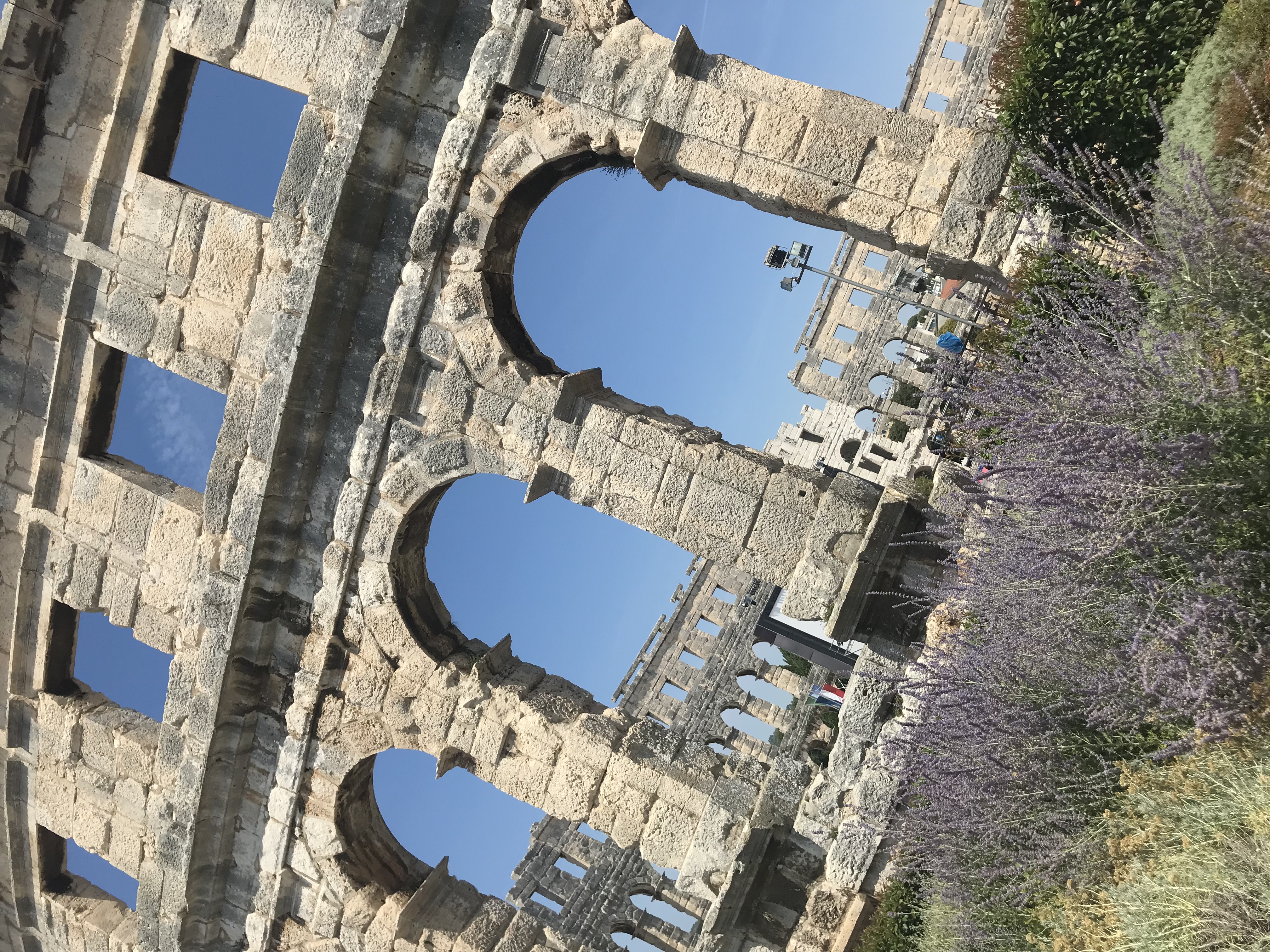
Nestled at the tip of the Istrian peninsula, Pula (often mistakenly rendered as “Pulla”) is a compact yet striking city where Roman grandeur meets Mediterranean charm. Its most iconic landmark, the Amphitheatre of Pula, is the best‑preserved Roman arena in the world after the Colosseum, seating up to 23,000 spectators and still hosting concerts, film festivals, and gladiatorial reenactments. Walking the historic centre, visitors encounter a mosaic of eras: the triumphal Arch of the Sergii, the 6th‑century Byzantine walls, and the elegant Pula Cathedral that crowns the old town’s hill. The city’s maritime heritage is evident in the bustling Port of Pula, where sleek yachts mingle with traditional fishing boats, and the Kamenjak Peninsula offers turquoise coves and rugged cliffs perfect for diving and sunset hikes. Culinary delights blend Italian and Slavic influences—truffle‑infused risotto, fresh Adriatic seafood, and locally produced wines such as Malvasia and Teran. With its mild climate, vibrant cultural calendar, and a palpable sense of history, Pula stands as a living museum and a lively gateway to the broader treasures of Istria, making it an essential stop for any traveler exploring Croatia’s western coast.

Pula (často mylně překládaná jako „Pulla“), ležící na špičce Istrijského poloostrova, je kompaktní, ale úchvatné město, kde se římská velkolepost setkává se středomořským šarmem. Jeho nejznámější památkou je pulský amfiteátr, nejlépe dochovaná římská aréna na světě po Koloseu, která pojme až 23 000 diváků a stále hostí koncerty, filmové festivaly a gladiátorské rekonstrukce. Při procházce historickým centrem se návštěvníci setkávají s mozaikou různých období: triumfálním obloukem Sergiů, byzantskými hradbami ze 6. století a elegantní pulskou katedrálou, která korunuje kopec starého města. Námořní dědictví města je patrné v rušném pulském přístavu, kde se elegantní jachty mísí s tradičními rybářskými loděmi, a poloostrov Kamenjak nabízí tyrkysové zátoky a drsné útesy ideální pro potápění a túry při západu slunce. Kulinářské lahůdky mísí italské a slovanské vlivy – rizoto s lanýži, čerstvé jadranské mořské plody a místní vína, jako je malvasia a teran. Díky mírnému podnebí, pulzujícímu kulturnímu kalendáři a hmatatelnému smyslu pro historii je Pula živoucím muzeem a živou vstupní branou k širším pokladům Istrie, což z ní činí nezbytnou zastávku pro každého cestovatele, který prozkoumává západní pobřeží Chorvatska.

  115 Hits

03-03-2026 - Italy Venice

Venice, the ethereal city of canals that crowns the Adriatic Sea, is a living museum where every stone, bridge, and ripple of water tells a story of centuries-old ingenuity and artistic brilliance. Founded on a lagoon of 118 small islands in the 5th century, the city grew into a maritime powerhouse, its merchant fleets once dominating the trade routes between East and West. Today, the iconic Grand Canal winds through a kaleidoscope of Renaissance palazzos, Byzantine mosaics, and Baroque churches, while the gentle glide of gondolas and vaporetti (water buses) offers a uniquely Venetian perspective on daily life. Highlights such as St. Mark’s Basilica—adorned with shimmering gold mosaics and the legendary Doge’s Palace—remind visitors of the city’s former political grandeur, while the bustling Rialto Market showcases the enduring vitality of its culinary traditions, from fresh seafood to cicchetti, the Venetian tapas that fuel the city’s exuberant nightlife. Yet Venice also faces a precarious future: rising tides and the annual “acqua alta” (high water) threaten its delicate architecture, prompting innovative conservation projects and limiting tourist traffic in an effort to protect this UNESCO World Heritage site. For the traveler seeking a blend of romance, history, and artistic wonder, Venice remains an incomparable destination—a city that, despite its fragile existence, continues to float timelessly between myth and reality.

  114 Hits

Pula city to continue - part 1


Pula: A Mediterranean Jewel Where Roman Grandeur Meets Istrian Charm

Perched on the southern tip of Croatia's Istrian peninsula, Pula is a compact yet surprisingly rich tapestry of history, culture, and seaside leisure. Its most iconic landmark, the Pula Arena, is one of the best‑preserved Roman amphitheatres in the world—a massive stone ellipsis that once hosted gladiatorial combats and now stages opera, concerts and the famous “Out‑Rocker” music festival. Walking the arena's ancient stone steps instantly transports visitors back to the first centuryAD, while the echo of modern applause reminds them that the city knows how to blend past and present.

Beyond the amphitheatre, Pula's historic core is a maze of Venetian-style piazzas, pastel-hued houses, and Gothic-Renaissance churches such as the Basilica of the Euphrasian Martyrium, a UNESCO-listed masterpiece of early medieval art. The city's fortifications—like Kastel and the Gothic-byzantine Town Gate (Porta Pomeria)—still dominate the coastline, offering panoramic views of the Adriatic's turquoise waters and the surrounding olive groves that dot the rolling Istrian hills.

Pula's appeal is not limited to antiquities. Its eight sandy and pebble beaches, notably Verudela and Kamenjak, provide a relaxed counterpoint to the city's bustling squares, while the crystal-clear sea invites swimming, kayaking, and even sea-cave diving. Food lovers will find a culinary dialogue between Italian and Croatian influences: truffles from the inland forests, fresh Adriatic fish, and robust Istrian wines (Malvasia and Teran) are served in rustic taverns and sleek, seaside bistros alike.

Continue reading
  140 Hits
Tags:

The impressive Hellbrun Castle

Nestled on the sun‑kissed southern fringe of Salzburg, the Baroque estate of Hell brunn is a place where art, nature, and playful engineering converge in a delightfully theatrical setting. Commissioned in 1613 by Prince‑Archbishop Markus Sittich von Hohenems, the palace was conceived not as a solemn court residence but as a summer retreat for leisurely pursuits and extravagant entertainments. Its modest, reddish‑brick façade belies an interior that brims with rococo elegance: gilded stucco work, pastel frescoes, and an impressive collection of tapestries that whisper of the Habsburg court’s taste for refined opulence.

What truly sets Hell brunn apart, however, are its world‑famous “Trick Fountains” (Wasserspiele). Conceived by the inventive court engineer Markus von Rehymont, the waterworks are hidden reservoirs, concealed pipes, and cleverly camouflaged jets that suddenly spring to life, dousing unsuspecting guests with cool sprays or coaxing them into an impromptu dance. The most iconic of these is the “Moor Fountain,” where a sculpted hermit’s stone slab conceals a sudden burst of water that bursts forth with mischievous vigor. The fountains were originally designed to amuse the archbishop’s guests during lavish garden parties, and they remain a perfect illustration of early 17th‑century hydraulic ingenuity.

The surrounding English‑style park, laid out in the early 18th century, sweeps across gently rolling lawns, groves of towering linden and chestnut trees, and a series of ornamental ponds that mirror the sky’s changing hues. Winding pathways lead visitors past classical statues, a marble grotto, and a serene orangery where citrus trees blossom even in the Alpine climate. In spring, the park bursts into a riot of color as tulips, hyacinths, and wildflowers carpet the meadow, while summer brings the melodic hum of cicadas and the soft rustle of leaves.

Today, Hell brunn is a beloved cultural venue, hosting open‑air concerts, classical music festivals, and the famous “Salzburg Festival” performances that spill onto its verdant lawns each July. Its museum houses period furniture, portraiture, and an extensive archive of the archbishop’s personal effects, offering a glimpse into the lavish lifestyle of Salzburg’s former ecclesiastical rulers. Whether you arrive to be surprised by an unexpected spray, to stroll beneath centuries‑old trees, or simply to soak up a slice of Baroque charm, Hell brunn remains a timeless reminder that history can be both grand and delightfully whimsical.

Barokní panství Hellbrunn, zasazené na sluncem zalitém jižním okraji Salcburku, je místem, kde se umění, příroda a hravé inženýrství sbíhají v příjemně divadelním prostředí. Palác, jehož výstavbu v roce 1613 zadal kníže a arcibiskup Markus Sittich von Hohenems, nebyl koncipován jako slavnostní dvorní sídlo, ale jako letní útočiště pro poklidné aktivity a extravagantní zábavu. Jeho skromná fasáda z červenohnědých cihel skrývá interiér, který překypuje rokokovou elegancí: zlacené štukové práce, pastelové fresky a působivá sbírka tapiserií, které šeptají o vkusu habsburského dvora pro vytříbenou opulentnost. Co však Hellbrunn skutečně odlišuje, jsou jeho světoznámé „Trikové fontány“ (Wasserspiele). Vodárna, kterou navrhl vynalézavý dvorní inženýr Markus von Rehymont, je skrytá nádrž, skryté potrubí a chytře maskované trysky, které se náhle probudí a pokryjí nic netušící hosty chladnými sprškami nebo je zlákají k improvizovanému tanci. Nejznámější z nich je „Vřesoviště“, kde kamenná deska poustevníka skrývá náhlý výtrysk vody, který tryská s rozpustilou silou. Fontány byly původně navrženy k pobavení arcibiskupových hostů během okázalých zahradních slavností a dodnes jsou dokonalou ukázkou hydraulické vynalézavosti z počátku 17. století. Okolní park v anglickém stylu, založený na počátku 18. století, se táhne přes mírně zvlněné trávníky, háje tyčících se lip a kaštanů a řadu okrasných jezírek, které odrážejí měnící se barvy oblohy. Klikaté stezky vedou návštěvníky kolem klasických soch, mramorové jeskyně a klidné oranžerie, kde citrusové stromy kvetou i v alpském podnebí. Na jaře se park rozzáří do barevných vln, kdy louku pokrývají tulipány, hyacinty a divoké květiny, zatímco léto přináší melodické bzučení cikád a jemné šustění listí. Dnes je Hellbrunn oblíbeným kulturním místem, kde se každý červenec konají koncerty pod širým nebem, festivaly klasické hudby a slavné „Salzburské slavnosti“, které se rozlévají na jeho zelených trávnících. Jeho muzeum uchovává dobový nábytek, portréty a rozsáhlý archiv osobních věcí arcibiskupa, které nabízejí pohled do okázalého životního stylu bývalých salcburských církevních panovníků. Ať už přijedete, abyste byli překvapeni nečekaným sprškou vody, abyste se prošli pod staletými stromy, nebo abyste si jen vychutnali kousek barokního kouzla, Hellbrunn zůstává nadčasovou připomínkou toho, že historie může být velkolepá i příjemně rozmarná.

Continue reading
  153 Hits

Rabbi's House in Úštěk

Nestled in the quiet, cobblestone heart of Úštěk—a small medieval town in the Czech Republic's Central Bohemian Region—stands the unassuming yet profoundly evocative "Rabbi's House," a modest timber‑framed edifice that once served as the domestic hub for the community's spiritual leader. Built in the late‑17th century, the house mirrors the vernacular architecture of the region: a plastered façade punctuated by a steeply pitched roof, a narrow front porch, and a series of small, irregularly spaced windows that once let the soft glow of candlelight spill onto the cramped interior. Inside, the layout reflects the dual role of the rabbi as both scholar and caretaker: a modest study lined with shelves that would have held Hebrew prayer books, Talmudic commentaries, and a prized Sefer Torah; a kitchen where the rabbi prepared simple meals for his family and, on festive occasions, for the impoverished members of the Jewish quarter; and a small prayer corner where daily blessings were whispered amid the hush of winter winds that swept across the Vltava‑like Elbe valley.

The house's historical significance extends beyond its walls. Úštěk's Jewish community flourished from the 15th to the early 20th century, peaking at roughly 250 souls before the ravages of the Holocaust decimated it. The Rabbi's House survived the fires that razed much of the town in 1765 and escaped the systematic demolition that befell many synagogues under Nazi occupation, largely because its modest profile rendered it "non‑Jewish" in the eyes of the occupiers. After World War II, the building fell into disrepair, serving at various times as a storage shed and a low‑rent apartment. In the early 2000s, a collaborative effort between the Czech Ministry of Culture, the Úštěk municipality, and the Jewish Museum in Prague rescued the structure, restoring its original timber beams, repairing the faded plaster, and reinstating period‑appropriate interior fittings.

Today, the Rabbi's House functions as a micro-museum and educational center, offering visitors a tangible glimpse into daily Jewish life in a small Bohemian town. Guided tours highlight the rabbi's role as a mediator between secular authorities and the Jewish population, the rhythms of Sabbath observance, and the network of charitable practices—tzedakah—that knit the community together. Seasonal exhibitions feature artifacts recovered from the nearby synagogue's attic, including a 19th‑century prayer shawl and a silver amulet inscribed with the Shema. In this way, the Rabbi’s House stands not only as an architectural relic but as a living testimony to the resilience of Úštěk’s Jewish heritage, inviting both locals and tourists to reflect on a past that, though scarred, continues to enrich the cultural tapestry of the Czech Republic.

V tichém, dlážděném srdci Úštěku – malého středověkého městečka ve Středočeském kraji v České republice – stojí nenápadný, ale hluboce evokativní „Rabínův dům“, skromná hrázděná budova, která kdysi sloužila jako domov duchovního vůdce komunity. Dům, postavený na konci 17. století, odráží lidovou architekturu regionu: omítnutá fasáda přerušovaná strmou šikmou střechou, úzká přední veranda a řada malých, nepravidelně rozmístěných oken, která kdysi propouštěla ​​měkkou záři svíček do stísněného interiéru. Uvnitř uspořádání odráží dvojí roli rabína jako učence i správce: skromná pracovna lemovaná policemi, v nichž se dříve nacházely hebrejské modlitební knihy, talmudské komentáře a cenná Sefer Torah; kuchyň, kde rabín připravoval jednoduchá jídla pro svou rodinu a při slavnostních příležitostech i pro chudé členy židovské čtvrti; a malý modlitební koutek, kde se šeptala denní požehnání uprostřed ticha zimních větrů, které se ženuly údolím Labe podobným Vltavě. Historický význam domu sahá i za jeho zdi. Židovská komunita v Úštěku vzkvétala od 15. do začátku 20. století a dosáhla vrcholu zhruba 250 duší, než ji zničil holocaust. Rabínův dům přežil požáry, které v roce 1765 zničily velkou část města, a unikl systematické demolici, která postihla mnoho synagog za nacistické okupace, a to především proto, že jeho skromný profil jej v očích okupantů činil „nežidovským“. Po druhé světové válce budova chátrala a v různých dobách sloužila jako skladiště a levný byt. Na začátku roku 2000 se podařilo budovu zachránit společným úsilím Ministerstva kultury ČR, obce Úštěk a Židovského muzea v Praze, které obnovilo původní dřevěné trámy, opravilo vybledlou omítku a obnovilo dobové interiérové ​​vybavení. Dnes Rabínův dům funguje jako mikromuzeum a vzdělávací centrum, které návštěvníkům nabízí hmatatelný pohled do každodenního židovského života v malém českém městě. Prohlídky s průvodcem zdůrazňují roli rabína jako prostředníka mezi světskými autoritami a židovským obyvatelstvem, rytmy dodržování Sabatu a síť charitativních praktik – cedakah – které spojují komunitu. Sezónní výstavy představují artefakty nalezené na půdě nedaleké synagogy, včetně modlitebního šálu z 19. století a stříbrného amuletu s vyrytým symbolem Šema. Rabínův dům tak není jen architektonickou památkou, ale také živoucím svědectvím o odolnosti úštěckého židovského dědictví a zve místní obyvatele i turisty k zamyšlení nad minulostí, která, ačkoli je poznamenána, nadále obohacuje kulturní gobelín České republiky.

  168 Hits

Crete from the car

Seascapes from a trip to the Greek island of Crete. 

  157 Hits

Museum in Heraklion


Nestled in the bustling heart of Crete's capital, the Heraklion Archaeological Museum stands as a luminous portal to the island's millennia-long dialogue between myth and history. Housed in a sleek, early-20th-century neoclassical building, the museum's eight galleries unfold like a meticulously curated narrative, beginning with the austere bronze age and culminating in the vibrant mosaics of the Roman period. Visitors are first drawn to the dazzling display of Minoan masterpieces – the golden harp of Malia, the delicate ivory seal‑boxes of Zakros, and, most famously, the enigmatic “Snake Goddess” statues that seem to pulse with the same ritual fervor that once filled the palace at Knossos. Each artifact is contextualized with carefully designed dioramas and multimedia panels, allowing the viewer to imagine the bustling courts, agricultural terraces, and seafaring caravans that once defined Minoan life.

Beyond the Minoan treasures, the museum offers a captivating glimpse into later epochs: the elegant marble kouroi and kore figures of the Classical era, the intricate metalwork of the Hellenistic period, and a stunning collection of Roman mosaics that still retain their original chromatic brilliance. The final rooms, dedicated to Byzantine and Venetian artifacts, reveal how successive cultures layered their identities on top of the island's ancient foundations, forging the eclectic Crete known today. Whether you are a seasoned archaeologist or a curious traveler, a stroll through the Heraklion Archaeological Museum feels less like a tour and more like an intimate conversation with the souls who shaped the Mediterranean cradle of civilization – a dialogue that continues to echo through the museum’s polished floors and sun‑lit atriums.

Archeologické muzeum v Heraklionu, zasazené do rušného srdce hlavního města Kréty, představuje zářivou bránu k tisíciletím trvajícímu dialogu mezi mýtem a historií. Muzeum sídlí v elegantní neoklasicistní budově z počátku 20. století a jeho osm galerií se odvíjí jako pečlivě sestavený příběh, počínaje strohou dobou bronzovou a vrcholící zářivými mozaikami římského období. Návštěvníky nejprve upoutá oslnivá přehlídka mínojských mistrovských děl – zlatá harfa z Malie, jemné slonovinové pečetidla ze Zakrosu a nejznámější jsou záhadné sochy „Hadové bohyně“, které jako by pulzovaly stejnou rituální horlivostí, jaká kdysi naplňovala palác v Knóssu. Každý artefakt je zasazen do kontextu s pečlivě navrženými dioramaty a multimediálními panely, které divákovi umožňují představit si rušné dvory, zemědělské terasy a námořnické karavany, které kdysi definovaly mínojský život. Kromě mínojských pokladů nabízí muzeum podmanivý pohled do pozdějších epoch: elegantní mramorové figurky kuroi a kore z klasické éry, složité kovové práce z helénistického období a úžasnou sbírku římských mozaik, které si dodnes zachovávají svou původní chromatickou brilanci. Poslední místnosti, věnované byzantským a benátským artefaktům, odhalují, jak po sobě jdoucí kultury vrstvily své identity na starověké základy ostrova a utvářely eklektickou Krétu, jakou známe dnes. Ať už jste zkušený archeolog nebo zvědavý cestovatel, procházka Archeologickým muzeem v Heraklionu se méně podobá prohlídce a spíše intimnímu rozhovoru s dušemi, které utvářely středomořskou kolébku civilizace – dialogu, který se i nadále ozývá v leštěných podlahách muzea a sluncem zalitých atriích.

  184 Hits

Jindřichův Hradec center

Jindřichův Hradec, perched on the gently winding river Otava in the heart of South Bohemia, is a charming blend of medieval grandeur and vibrant modern life. Founded in the 13th century by the noble Přemyslid family, the town quickly grew around the imposing Jindřichův Hradec Castle, an architectural palimpsest that showcases Gothic foundations, Renaissance façades and Baroque interiors—all of which are still open to visitors via a series of meticulously restored rooms and a panoramic tower offering sweeping views of the surrounding countryside. The historic centre, a UNESCO‑registered urban monument reservation, is a maze of cobbled streets lined with huskily painted facades, the late‑Gothic Church of St. Julius, and the iconic Town Hall whose clock tower chimes the rhythm of daily life.

Beyond its stone heritage, Jindřichův Hradec pulses with cultural vitality: the annual “Festival of the Seven Gates” re‑enacts medieval pageantry, while the Museum of Southern Bohemia houses an impressive collection of folk art, glassware and archaeological finds that trace the region’s evolution from prehistoric settlements to the vibrant trading hub it became in the 16th century. The town’s riverside promenade, dotted with cozy cafés and artisanal breweries, invites both locals and tourists to linger over a glass of locally brewed pilsner while watching swans glide across the Otava’s mirrored surface.

Today, Jindřichův Hradec is not merely a relic of the past; it is a living showcase of Czech resilience and creativity, where history is woven into everyday life, and where every stone, river bend, and festival sparkles with the promise of discovery. Whether you are a history buff, an architecture aficionado, or simply a wanderer seeking authentic Bohemian charm, Jindřichův Hradec offers an unforgettable tableau of the Czech Republic’s rich tapestry.

Jindřichův Hradec, ležící na mírně klikaté řece Otavě v srdci jižních Čech, je okouzlující směsicí středověké vznešenosti a pulzujícího moderního života. Město, založené ve 13. století šlechtickým rodem Přemyslovců, se rychle rozrostlo kolem impozantního hradu Jindřichův Hradec, architektonického palimpsestu, který prezentuje gotické základy, renesanční fasády a barokní interiéry – to vše je dodnes přístupné návštěvníkům prostřednictvím řady pečlivě zrestaurovaných místností a panoramatické věže s úchvatným výhledem na okolní krajinu. Historické centrum, zapsané na seznamu UNESCO, je bludištěm dlážděných uliček lemovaných jemně malovanými fasádami, pozdně gotickým kostelem sv. Julia a ikonickou radnicí, jejíž hodinová věž odbíjí rytmus každodenního života. Kromě kamenného dědictví Jindřichův Hradec pulzuje kulturní vitalitou: každoroční „Festival Sedmi bran“ znovu uvádí středověkou okázalost, zatímco Muzeum jižních Čech uchovává působivou sbírku lidového umění, skla a archeologických nálezů, které sledují vývoj regionu od pravěkých osad až po pulzující obchodní centrum, kterým se stal v 16. století. Městská promenáda u řeky, posetá útulnými kavárnami a řemeslnými pivovary, zve místní obyvatele i turisty k posezení u sklenky místního plzeňského piva a sledování labutí klouzajících po zrcadlové hladině Otavy. Jindřichův Hradec dnes není jen pozůstatkem minulosti; je to živoucí přehlídka české odolnosti a kreativity, kde je historie vetkána do každodenního života a kde každý kámen, říční ohyb a festival třpytí se příslibem objevování. Ať už jste milovníkem historie, architektury nebo jen poutníkem hledajícím autentické české kouzlo, Jindřichův Hradec nabízí nezapomenutelnou ukázku bohaté tapiserie České republiky.


  144 Hits

Castle Lnáře

Nestled in the serene landscapes of the South Bohemian Region of the Czech Republic, Castle Lnáře stands as a magnificent testament to the region's aristocratic past.Originally constructed in the late 16th century as a Renaissance residence for the noble Zmrzlík of Svojšín family, the château elegantly blends the ordered grace of its original design with the later, more ornate flourishes of Baroque reconstruction in the 18th century. Its most celebrated feature is the stunning arcaded courtyard, a two-story Renaissance gallery whose arches are supported by ornate pillars, creating a harmonious and theatrical space. This courtyard is further adorned with exceptional sgraffito decorations and, most notably, a remarkable cycle of illusory frescoes on the first-floor arcade, depicting mythological scenes and architectural vistas that play with the viewer's perception.

While the exterior presents a formidable yet graceful facade, the interiors once boasted lavish Baroque and Rococo stucco work and painted ceilings, many of which have been preserved or restored. The castle's history is intricately linked to the tumultuous periods of Czech history, from the ravages of the Thirty Years' War to the dissolution of noble estates in the 20th century. Today, after careful restoration, Castle Lnáře has found a noble new purpose. It serves as a specialized retirement home, allowing its historic walls to continue a story of community and care. This adaptive reuse not only ensures the preservation of this cultural monument but also offers the public occasional opportunities to view its architectural treasures during targeted events, making Lnáře a living piece of heritage where history continues to unfold in a contemporary setting.


  127 Hits